-
About Jordan
About Jordan
-
Client Testimonials
Client Testimonials
-
Selling My Home
Selling My Home
-
Buying a Home
Buying a Home
-
Contact Jordan
Contact Jordan
About Jordan
Client Testimonials

Selling My Home
Buying a Home
Contact Jordan

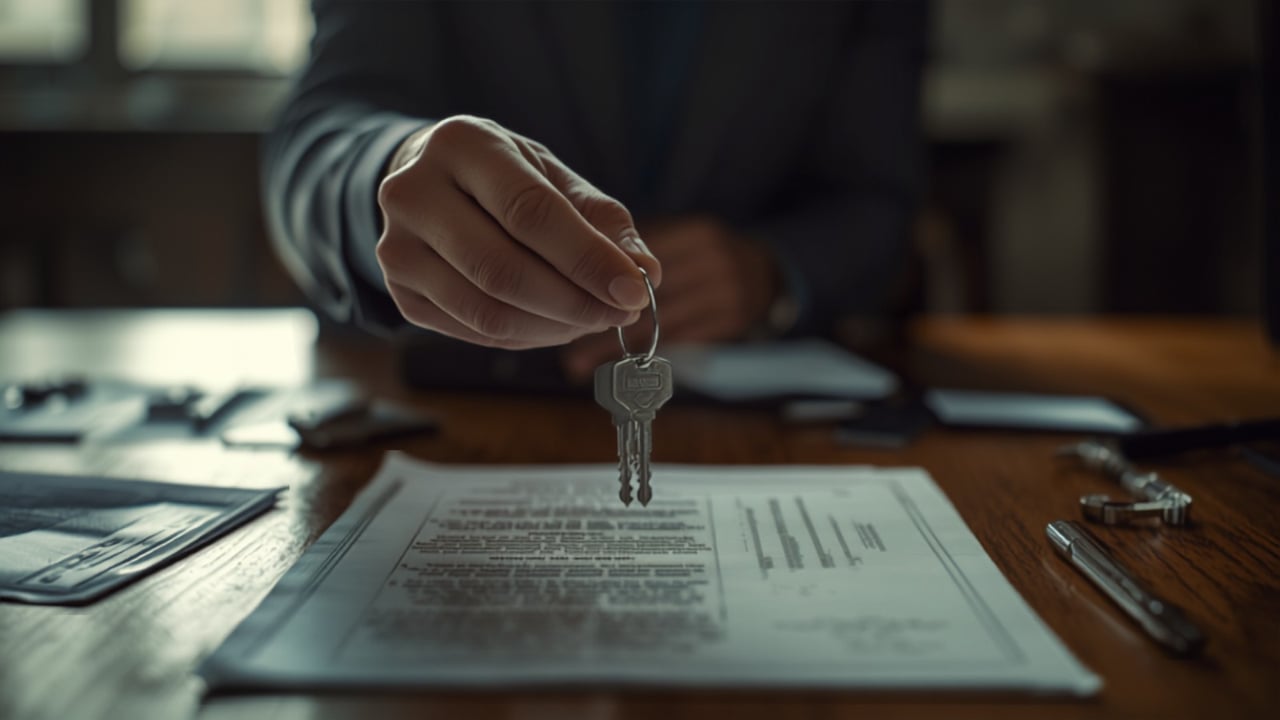
In Washington the seller normally pays the real estate excise tax at closing. The state rate is graduated from 1.1 percent to 3 percent depending on the sale price, and a small local rate is added on top. Idaho has no state real estate transfer tax, so a seller in Moscow pays nothing comparable. That single difference is one of the largest cost gaps between selling in Pullman and selling in Moscow.
Pullman sits in Whitman County, Washington, and Moscow sits in Latah County, Idaho, eight miles apart. The two states treat a home sale very differently. Washington's real estate excise tax, usually called REET, is calculated on the selling price using tiers. Through December 31, 2026 the state portion is 1.1 percent on the part of the price up to $525,000, 1.28 percent on the part from $525,001 to $1,525,000, 2.75 percent from $1,525,001 to $3,025,000, and 3 percent above that. Cities and counties add a local REET, commonly a quarter to a half of one percent. On a $500,000 Pullman sale the state portion alone is $5,500 before the local rate. Idaho charges no transfer or excise tax on the sale itself, although Idaho sellers still pay title, escrow, and recording costs.
This article is general information, not legal, tax, lending, insurance, inspection, or title advice. For those questions, work with the relevant licensed professional.
Before you list, ask for a seller net sheet built on your expected price so the excise tax is a known number rather than a surprise at closing. You can also contact Jordan.
Jordan Vorderbrueggen writes about buying and selling homes in Pullman, Moscow, and across the Palouse with Woodbridge Real Estate. Hard to Spell, Tough to Beat.
Browse active listings in the area or contact us for off-market listings.
Have an expert help you find out what your home is really worth.